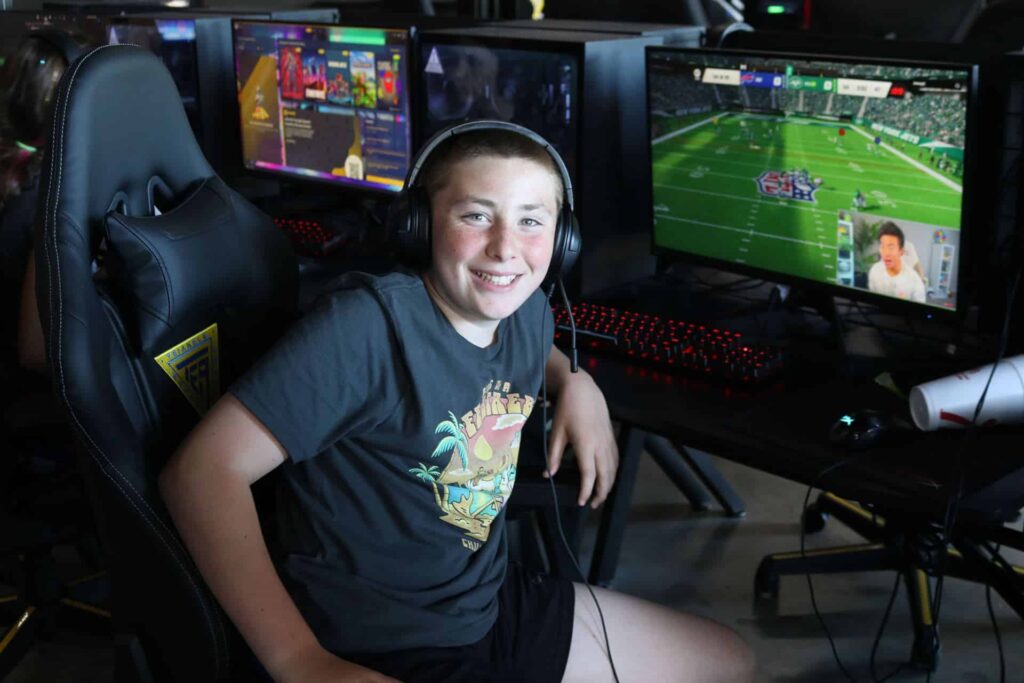
When a child says they want to be a professional esports player or content creator, it can catch parents off guard. The path is uncertain, the success rate is low, and the industry is still evolving. That said, how you respond in that moment matters more than most parents realize.
Below is a practical, balanced 7-step process to help parents respond in a way that is supportive, realistic, and healthy for both the child and the family.
Step 1: Start by Being Supportive
Your first response should be supportive, even if you’re skeptical. The odds are slim. Out of 100 kids, most won’t earn meaningful income from esports or content creation. Very few will make even a few thousand dollars. But immediately shutting down the idea can damage trust and discourage your child from sharing future goals with you.
As long as esports does not interfere with school, physical activity, or basic responsibilities, allowing them to explore the interest can be productive. Structured gaming keeps kids engaged, off the streets, and teaches skills like discipline, teamwork, and communication, which we will touch on later.
Support doesn’t mean blind agreement. It means being willing to listen.
Step 2: Ask Why They Want This
This is a critical conversation. If the motivation is money or fame, that’s a red flag. Social media often paints a distorted picture of success. Many people chase attention or status only to find regret, burnout, or dissatisfaction when they get there.
Encourage your child to reflect:
- Do they enjoy the process?
- Do they feel fulfilled when they practice or create?
- Would they still want this if no one was watching?
Passion, joy, and fulfillment are the only sustainable reasons to pursue something this demanding.
Step 3: Talk Honestly About the Commitment
Everyone says they are serious until they see what “serious” actually means.
Ask them:
- Are you willing to miss birthday parties?
- Are you okay skipping a beach trip because of a tournament?
- Can you handle practicing when it’s not fun?
This level of commitment affects the whole family. Without genuine passion, it can quickly lead to burnout, resentment, and stress at home. It is important they understand the time commitment upfront.
Step 4: Help Them Set Real Goals
Most people, adults included, do not know how to set effective goals. This is where structure matters. At the Esports Academy, we use SMART goals (specific, measurable, achievable, relevant, time-based) and pair them with daily or weekly habits.
Goals alone do not create results. Habits do.
Help your child define:
- What they want to improve
- How often they’ll practice
- What actions they’ll take consistently
This turns a dream into a plan.
Step 5: Hold Them Accountable (With Honesty and Encouragement)
Accountability builds growth. In traditional sports, parents often use incentives. For example, a juggling record in soccer might determine how much money could be spent on cleats. Simple systems like this create motivation and ownership.
When checking in:
- Ask for their perspective first
- Listen before giving feedback
- Be honest if effort is slipping
If they give their best and fall short, encourage them. Ask what they will adjust next time. Over time, most kids naturally reassess their ability and make realistic choices just like athletes who shift from D1 dreams to D2 or D3 paths.
Step 6: Address Lack of Effort the Right Way
If they are not taking it seriously, it is time for a direct conversation but avoid guilt-based language.
Instead of:
“I’m spending so much money, and you’re wasting it.”
Try:
“You made a commitment, and I agreed to support you because of that. Right now, you’re not holding up your end. If you want to continue, changes need to happen.”
Use the sandwich method:
- Start with something positive
- Address the issue clearly
- End with encouragement
This shows care, not control.
Step 7: Know When to Step Back
If nothing changes after steps 1–6, it’s time to step back financially and limit screen time. Support should match effort.
If your child is not practicing, improving, or honoring commitments, then unlimited gaming becomes entertainment not development. Encourage other productive outlets like:
- Playing outside
- Part-time work
- Exploring new interests
There’s a saying worth remembering: “Someone who lacks purpose will distract themselves with pleasure.” Your role is to guide them toward purpose—not fund avoidance.
Final Thoughts
Supporting a child’s esports dream does not mean guaranteeing success. It means teaching them how to pursue goals responsibly, evaluate commitment, and grow through the process, whether esports becomes a career or not.
Handled the right way, this journey can build resilience, self-awareness, and life skills that last far beyond gaming.